At Vay, safety doesn’t begin when a vehicle is powered on or when a Remote Driver takes control. It starts long before that: in how we select, train, evaluate, and continuously support the people behind the wheel. Remote driving introduces new possibilities for mobility, but it also demands a higher bar for preparation, accountability, and awareness.
That’s why safety at Vay is not a checklist item. It’s a system built into our culture and operations from day one and strengthened over time through training, real-world experience, and data-driven learning.
As Dr. Ole Hans, Manager of Operational Safety and Compliance at Vay, puts it:
“At Vay, safety is not a single feature or a final milestone: it’s a mindset that shapes the decisions we make. Safety means taking responsibility for our customers, our Remote Drivers, and everyone else on the road.”
This mindset is the foundation of how we train our Remote Drivers and how we earn trust in shaping a new mobility category.
Building Safety From Day One
Vay’s training program is intentionally structured and comprised of multiple stages.
Before a Remote Driver ever controls a vehicle independently, they complete an extensive training journey designed to build both theoretical knowledge and real-world competence. All Remote Drivers must be verified as a safe and responsible driver with a clean U.S. driver’s license and at least 2 years of professional driving experience.
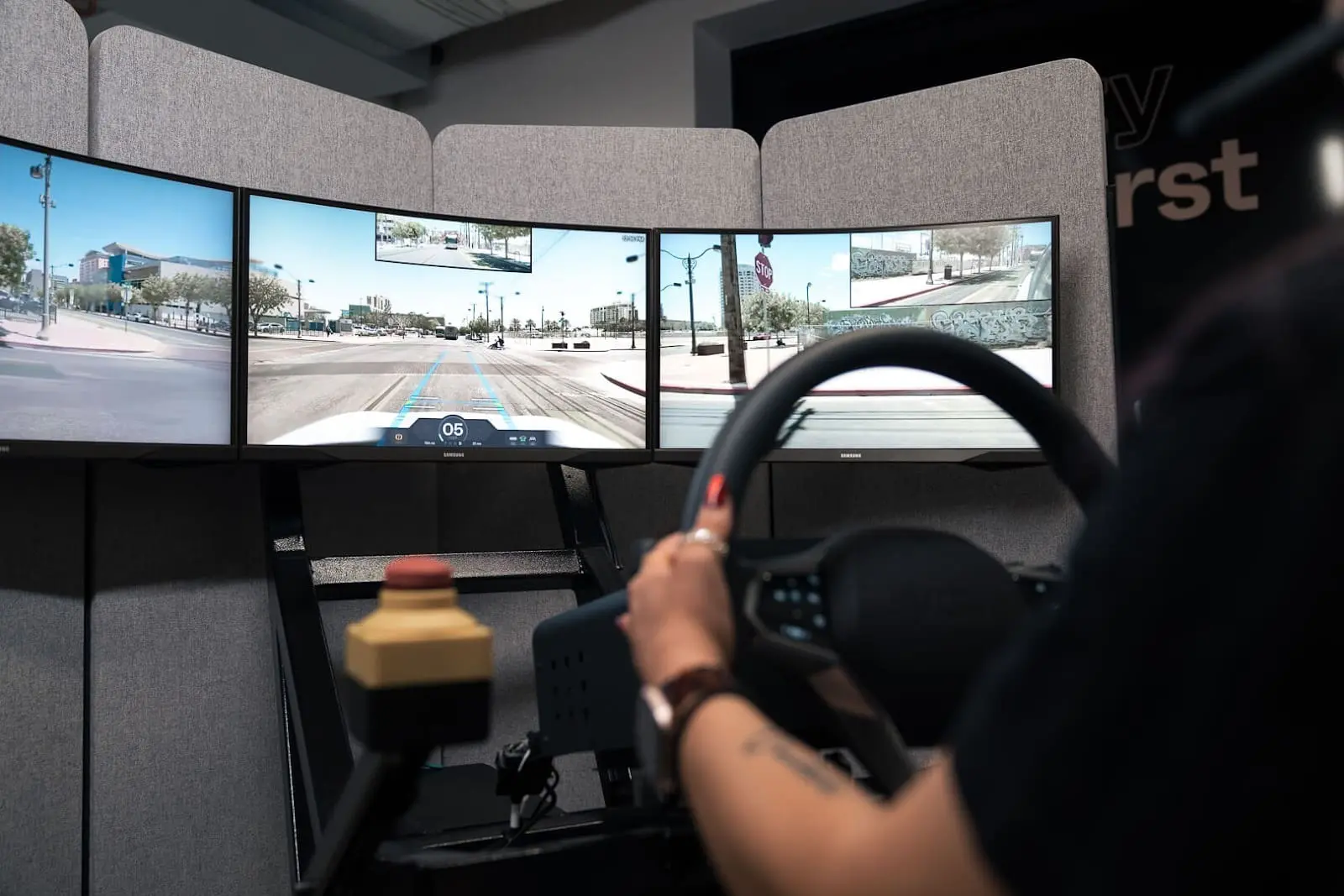
The theory courses lay the foundation for safe, consistent, and confident remote driving. During this phase, trainees learn Vay’s core company verbiage, such as SD (Safety Driver), SO (Safety Operator), and RD (Remote Driver), to ensure clear, standardized communication across the operation. They are trained to interpret onscreen indicators and system feedback in real time, alongside general safety guidelines and the specific safety measures in place to ensure every drive stays within defined operational limits. This includes a deep dive into turning speeds, maximum driving speeds the system can safely support, and how those limits are enforced.
One of Vay’s Remote Driving Trainers, Kimberly Joice, shares:
“From day one of training, we focus on building situational awareness and a profound understanding of our systems. Training continues until our safety standards become second nature so that every Remote Driver can make safe decisions confidently, even in unexpected situations.”
By embedding safety expectations into training from the very beginning, Vay ensures that Remote Drivers internalize these principles long before they operate independently.
Supervised Real-World Driving
While classroom instruction builds a foundation, real-world driving is where safety truly takes shape. This part of the training has two basic phases: controlled private grounds and public road driving.
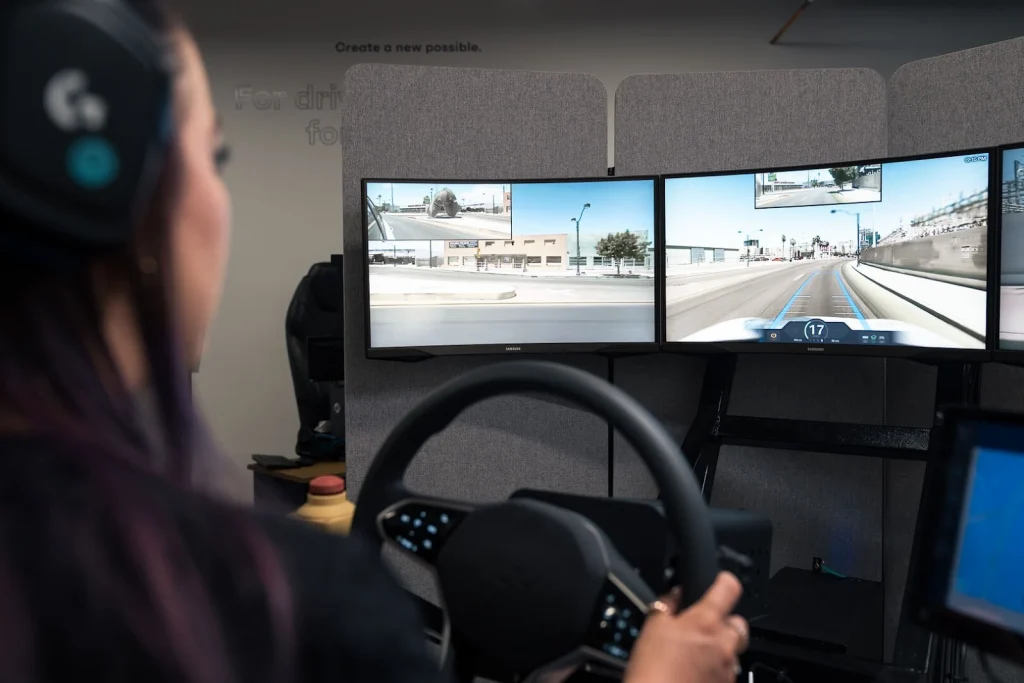
From here, training transitions into the remote driving environment, combining additional classroom instruction with supervised driving on private grounds and on public roads. Trainees complete the first mileage on public streets of remote driving alongside a trainer, followed by extended driving with a trained Safety Driver while deepening their knowledge in areas like customer handoff, Remote Valet operations, and night driving. Throughout the program, Remote Drivers participate in regular group sessions and one-on-one alignments with trainers to reinforce best practices, address improvement areas, and ensure they are fully prepared before driving independently.
Remote driving presents unique challenges: reading traffic flow through camera feeds, anticipating the actions of other road users, and making decisions based on visual and audible input. These skills can’t be mastered in theory alone; they must be practiced in real environments.
What Driving With a Safety Driver Means
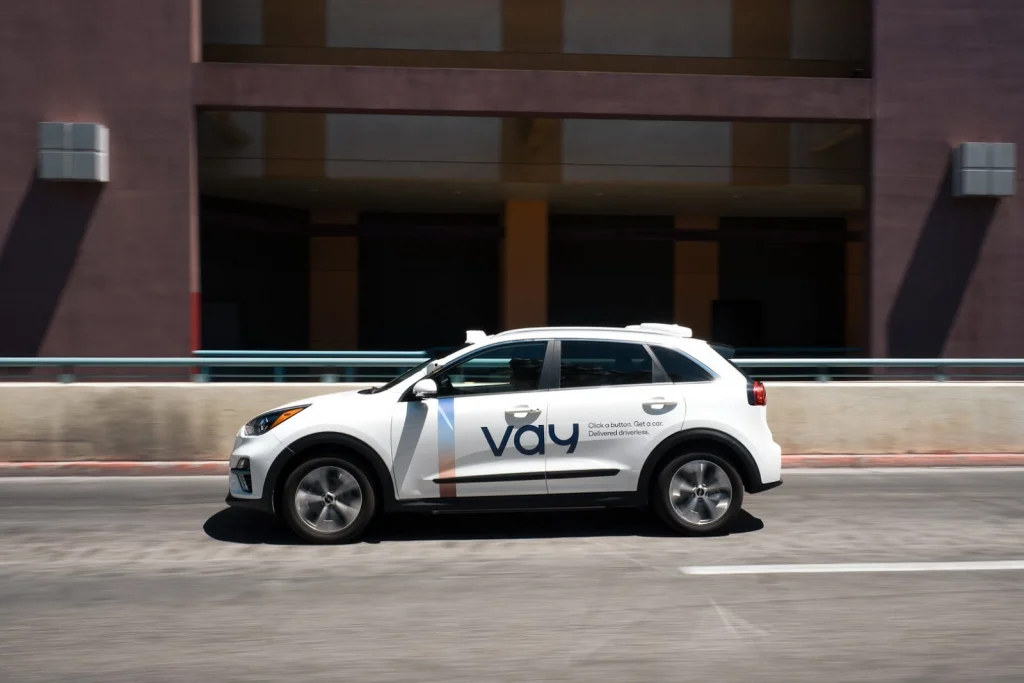
During supervised driving phases during training, Remote Drivers operate vehicles with a professional Safety Driver present in the car. This setup provides an additional layer of safety while allowing Remote Drivers to experience live traffic situations firsthand.
The Safety Driver acts as a safeguard, ready to intervene if needed, while also observing and coaching the Remote Driver. This collaborative approach creates space for learning, feedback, and gradual skill development without compromising safety.
Mairaj Uddin, a certified Safety Driver at Vay, describes his role:
“During training, Safety Drivers are always inside the vehicle, ready to take over at any time if they understand their support is needed. Then, they provide detailed, by-the-minute feedback.”
Preparing Drivers for the Real World
Supervised real-world remote driving exposes Remote Drivers to the unpredictability of everyday traffic: pedestrians stepping off curbs, cyclists weaving through lanes, and other drivers making sudden decisions. These moments are where judgment matters most.
Dr. Ole Hans highlights why this exposure is so important:
“Real-world driving helps Remote Drivers develop the judgment that can’t be taught in theory alone. Being exposed to live traffic situations trains them to read subtle cues and react proactively.”
Over time, this experience builds enhanced situational awareness, risk anticipation, and disciplined decision-making. By the time Remote Drivers progress beyond supervised driving, they’ve already navigated a wide range of scenarios with guidance, feedback, and accountability.
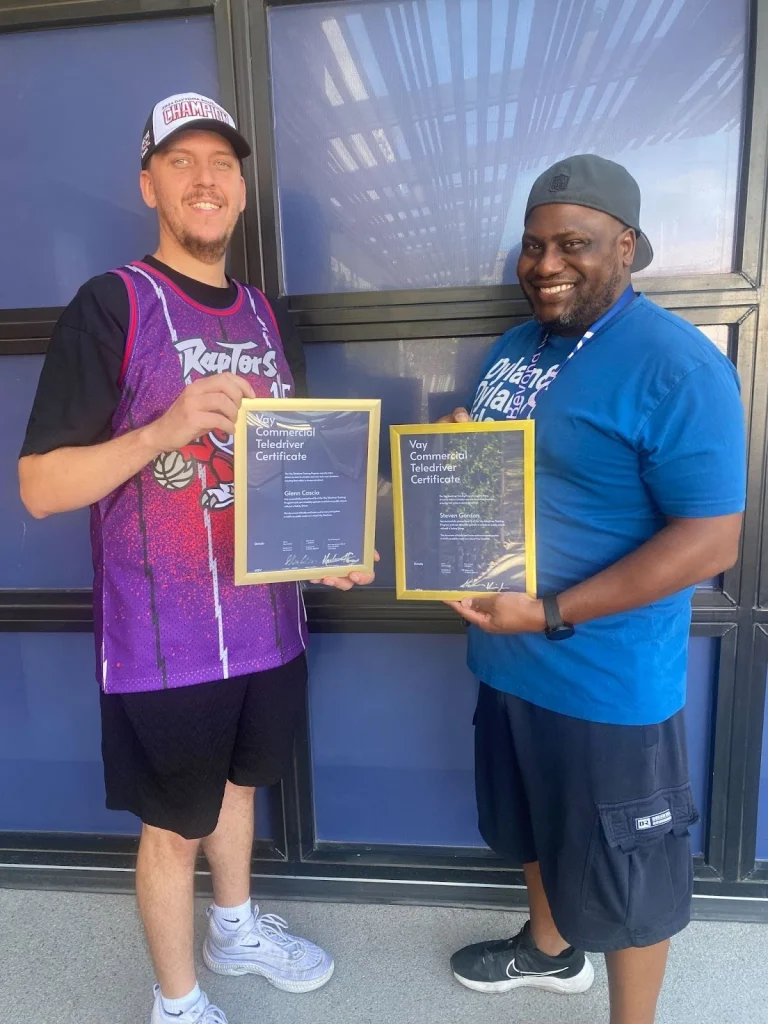
After successful completion of training, Remote Drivers are ready to operate without a Safety Driver inside the vehicle and are released to our commercial service. However, training does not end with certification; it transitions into a new phase of ongoing monitoring, feedback, and continuous improvement.
Ongoing Evaluation & Continuous Improvement
Safety doesn’t stop once training is complete. At Vay, it never truly ends.
Remote Drivers undergo regular performance reviews, consistent monitoring, and annual recertifications to ensure that skills remain sharp and standards remain high. This continuous evaluation helps identify areas for improvement early and reinforces accountability.
Data-Driven Training Evolution
One of the most powerful tools in Vay’s safety framework is data. Operational data, driving performance metrics, and safety-relevant events are continuously analyzed to understand how Remote Drivers interact with real-world conditions.
Dr. Ole Hans explains how this insight feeds directly back into training:
“Data plays a key role in continuously improving our training programs and is closely tied to our research efforts. We continuously analyze operational data and driving performance data to understand how Remote Drivers interact with real-world traffic situations. These insights directly feed into our training programs.”
Patterns and trends help identify where additional guidance is needed, which scenarios deserve more focus, and how training materials can be refined. This ensures that training evolves alongside real-world conditions and with Remote Driver behavior.
In parallel, Vay conducts internal research to explore emerging risks, best practices, and opportunities for improvement. By combining human experience with data-driven insights, Vay keeps safety standards responsive to the real world.
Safety as an Ongoing Commitment
Remote driving represents a new chapter in mobility, one that has the potential to reshape how people access vehicles and move through cities. But innovation only works when it’s built on trust.
At Vay, that trust is earned through a deep, ongoing commitment to safety. From day-one training to supervised real-world driving, from regular evaluations to data-driven refinement, safety is woven into every layer of the operation.
As Athanassios Lagospiris, Vice President of Engineering and Safety at Vay, summarizes, “Developing and operating under robust safety standards is essential to establishing trust in remote driving operations.”
As Vay continues to scale its service, that foundation remains unchanged. As our technology evolves and our service scales, our commitment to raising the bar for remote driving safety will continue.